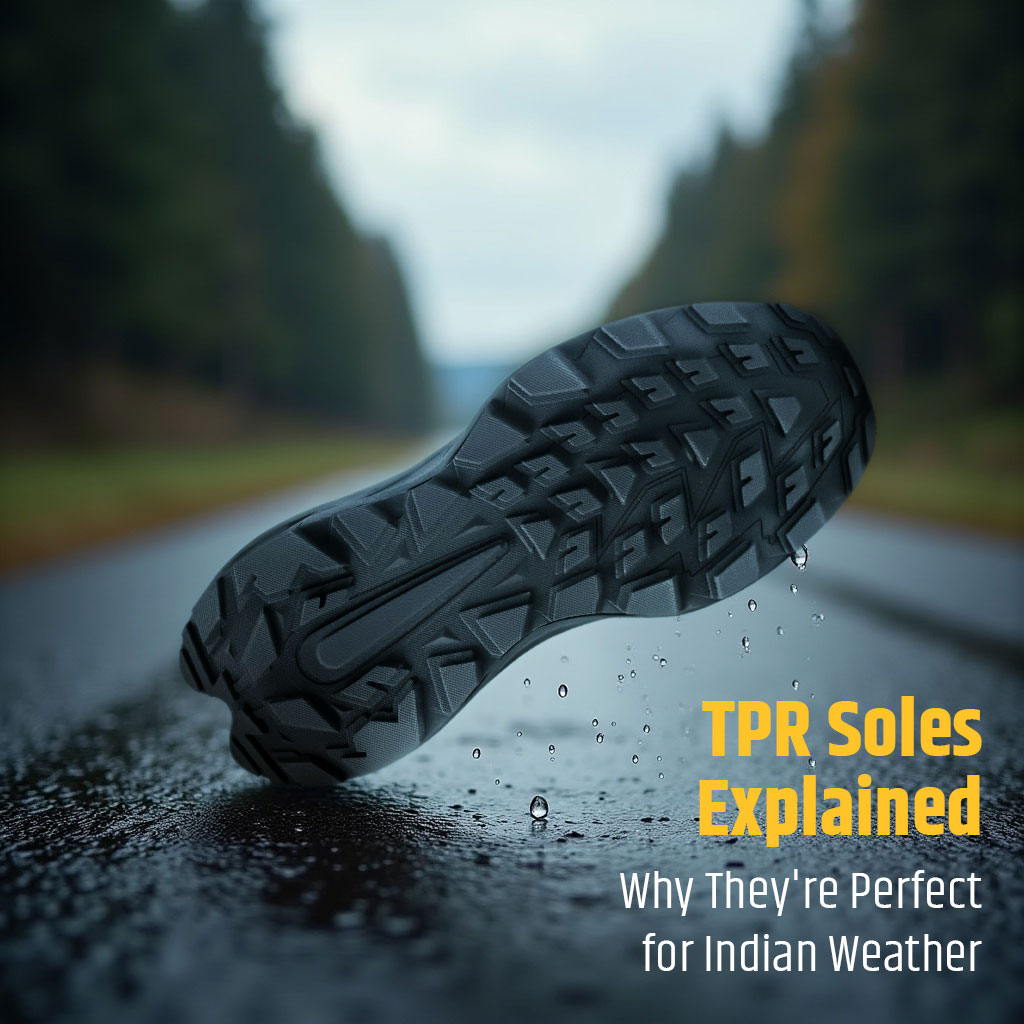

When shopping for shoes in India, you’ve probably come across shoes with “TPR sole” mentioned in their specifications. But what exactly does the term mean, and why should Indian consumers care? In this significant guide, we’ll break down everything you need to know about TPR soles and explain why they’re particularly suited for India’s diverse climate conditions.
What is TPR Sole? Understanding the Full Form and Meaning
TPR sole full form is Thermoplastic Rubber sole. To understand what is TPR sole, think of it as a synthetic rubber material that combines the best properties of both plastic and rubber. TPR sole meaning refers to a revolutionary sole technology that offers flexibility, durability, and comfort in one package.
When we talk about what the sole material TPR means, we’re referring to a specialised material that’s created through advanced manufacturing processes. Unlike traditional rubber, TPR is thermoplastic, which means it can be heated and reshaped multiple times without losing its essential properties. This makes it both environmentally friendly and cost-effective to produce.
Why TPR Soles Are Perfect for Indian Weather Conditions
India’s climate presents difficult challenges for footwear. From scorching summers reaching 45°C to monsoon humidity and varying regional conditions, shoes need to perform across extreme weather variations.
Summer Ready Shoes: Comfortable TPR Sole Shoes
During India’s intense summer months, traditional sole shoes can become uncomfortably hot and difficult to wear. TPR soles perform really well in high temperatures, maintaining their flexibility and comfort even when the mercury soars. The material’s thermal properties ensure that your feet stay comfortable whether you’re walking on hot pavement in Delhi or navigating Mumbai’s concrete jungle.
Asian Footwears’ Superkick-06 model, featuring advanced TPR sole technology, has been specifically designed keeping Indian summers in mind. The sole maintains its grip and flexibility even in extreme heat, making it perfect for daily commuting and outdoor activities.
Monsoon-Ready Performance
India’s monsoon season demands shoes or sneakers that can handle wet conditions without compromising on safety. TPR soles offer excellent slip resistance on wet surfaces, crucial for navigating rain-soaked streets and slippery tiles. The material’s water-resistant properties ensure that your shoes don’t get waterlogged, allowing for quicker drying times.
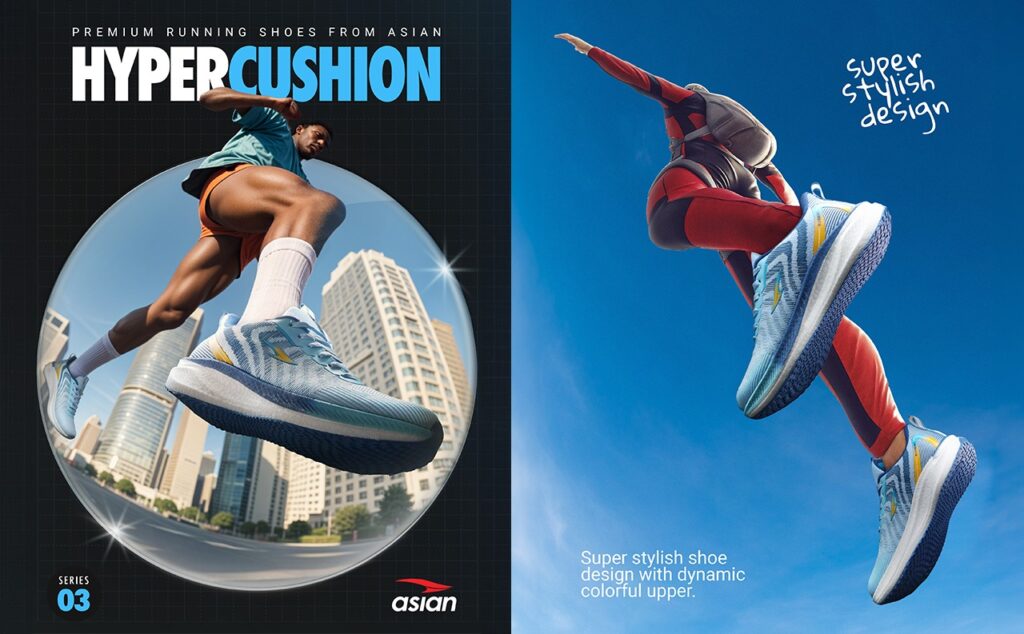
The Hypercushion-03 from Asian Footwears incorporates specially designed TPR soles with enhanced grip patterns, making them ideal for monsoon conditions while maintaining the comfort needed for long hours of wear.
Humidity and Breathability
Indian humidity levels can be challenging for footwear materials. TPR soles offer better airflow compared to traditional rubber, allowing for improved ventilation. This helps reduce foot smell and moisture buildup, common concerns in India’s humid climate.
TPR Soles vs Rubber Soles: A Detailed Comparison
Understanding the TPR sole vs rubber sole debate is crucial for making informed footwear choices.
Weight and Comfort
TPR soles are significantly lighter than traditional rubber soles, reducing foot fatigue during long walking sessions. This is particularly beneficial in Indian conditions, where people often walk long distances for daily commuting.
Durability and Performance
While rubber soles offer superior durability for heavy-duty use, TPR soles provide excellent durability for regular daily wear. For most Indian consumers, TPR offers the perfect balance of performance and longevity.
Environmental Impact
Asian Footwears stands firm for environmental causes; TPR material is recyclable; therefore, it is a great choice in comparison to traditional rubber. This aligns with India’s growing environmental awareness and sustainability goals.
TPR Sole vs PU Sole: Which is Better?
The TPR sole vs. PU sole comparison reveals distinct advantages for each material:
TPR Advantages:
- Good flexibility and elasticity
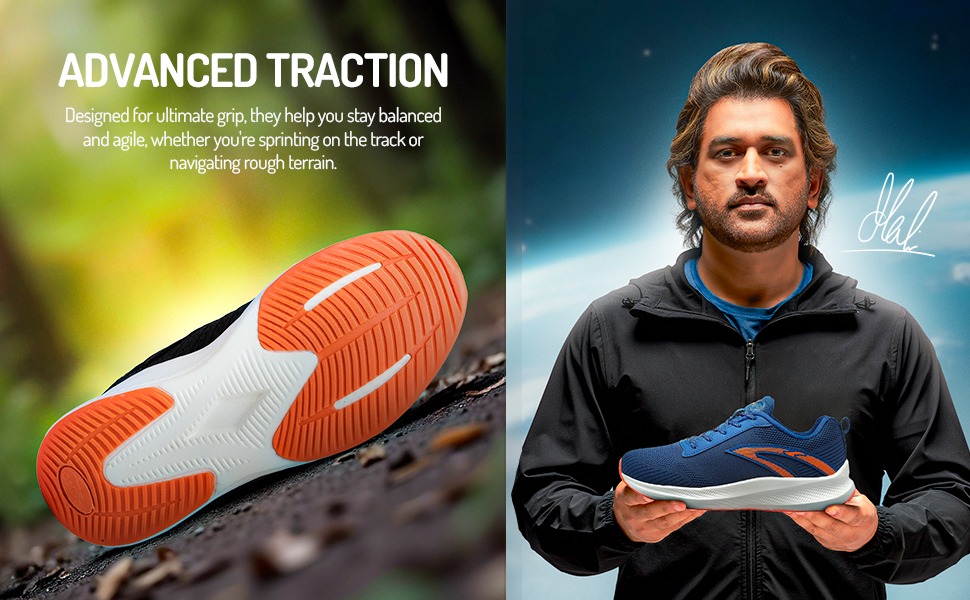
- Superior and Anti-Skid
- Extra durable in varying temperatures
- Good shock absorption
- Environmentally recyclable
PU Sole Advantages:
- Lighter weight
- Mild cushioning
- Lower cost in some manufacturing scenarios
For Indian conditions, TPR outperforms PU due to its superior heat resistance and slip resistance, crucial factors for local climate challenges.
TPR Sole Disadvantages: A Balanced View
While TPR soles offer numerous benefits, it’s important to understand TPR sole disadvantages for a complete picture:
Limited Extreme Performance
For specialized applications like mountaineering or extreme sports, traditional rubber might offer superior performance. However, for 90% of daily activities in India, TPR provides excellent performance.
Initial Stiffness
For some people, brand new TPR soles might feel slightly stiff at the beginning, but they quickly settle in with regular use, adapting to your foot shape and walking pattern. Especially when it comes to Asian Shoes.
Temperature Sensitivity in Extreme Cold
In extremely cold conditions (rare in most of India), TPR can become slightly stiffer, though this is rarely a concern for Indian consumers.
Asian Footwears: Leading TPR Sole Innovation
Asian Footwears has been at the forefront of TPR sole technology in India, we craft shoes that specifically cater to the real needs of consumer:
Boss-01: Features a premium TPR sole designed to suit various outfits, offering the perfect combination of style and comfort for office environments.
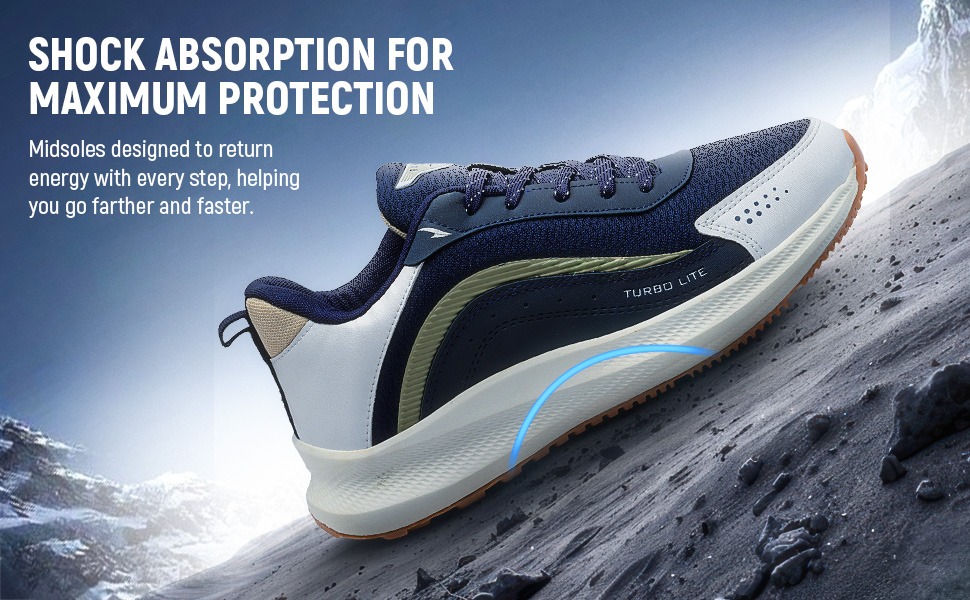
Superkick-06: Presents advanced TPR technology for sports, running, and casual wear, delivering great grip and flexibility.
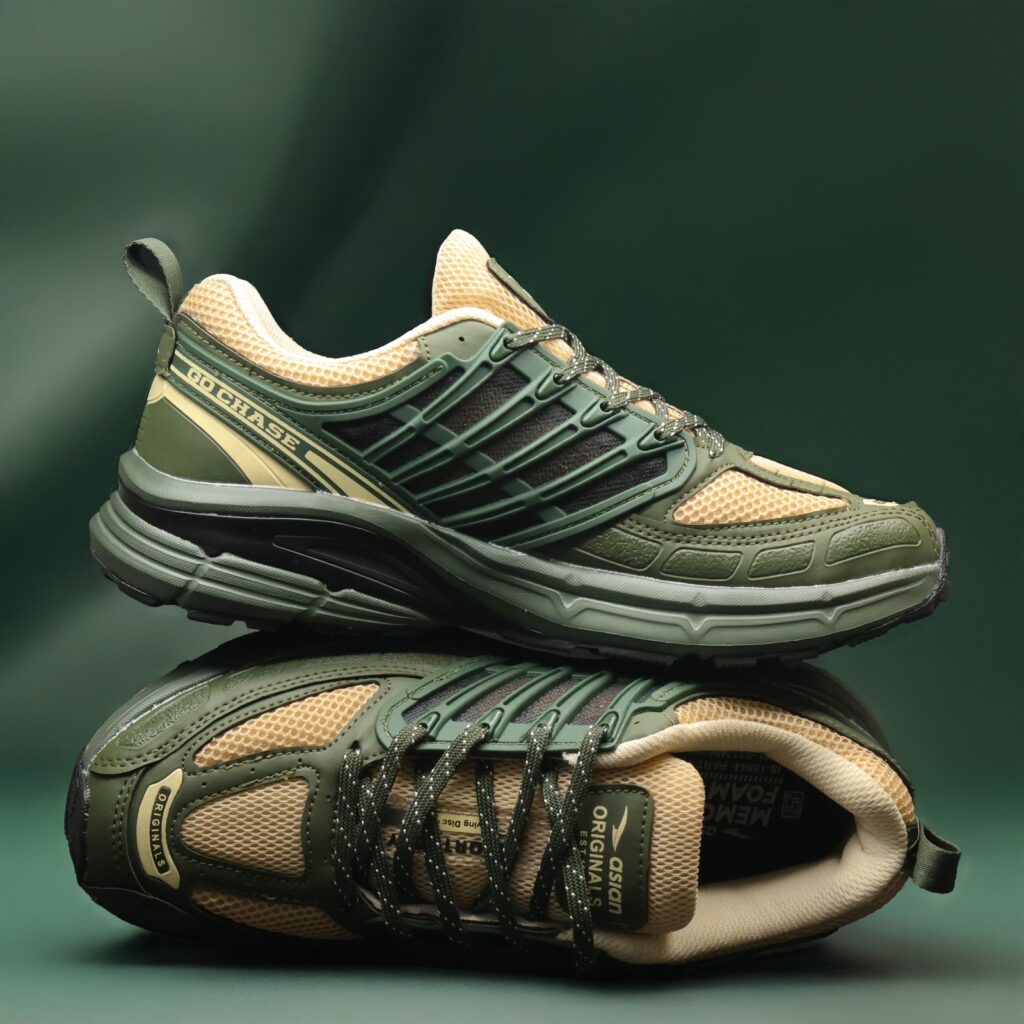
Hypercushion-03: Made with extra cushioning, lightweight and TPR soles are best for wearing for longer periods with maximum comfort.
Powerplay-03: Combines TPR sole technology with athletic design, perfect for fitness lovers and active lifestyles.
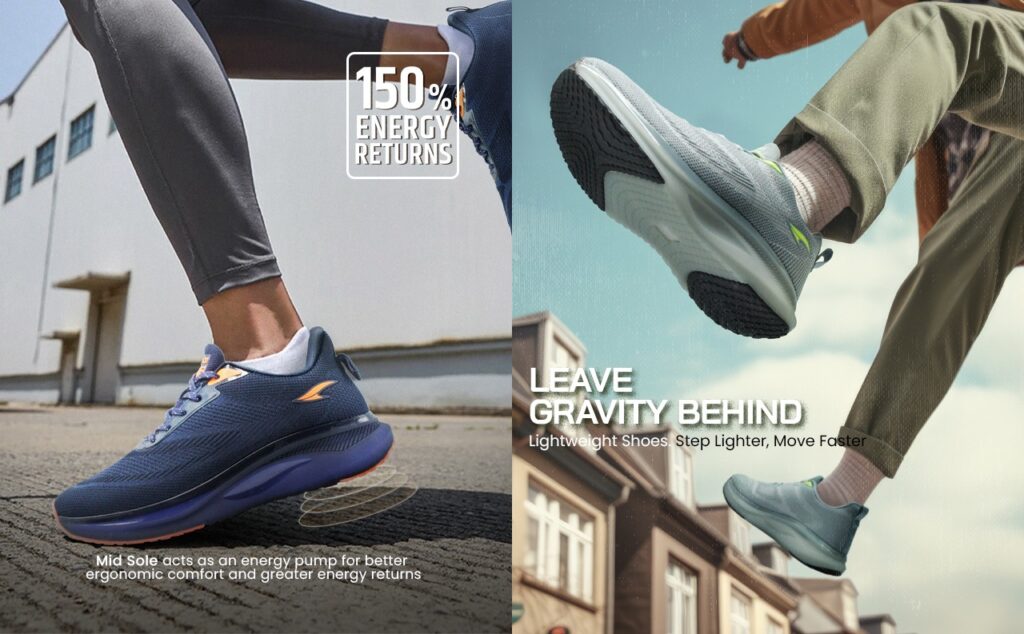
Raftaar-13: Features lightweight TPR soles made for speed and agility, ideal for running, workouts and training.
Pick the Right Shoe for Indian Conditions
When choosing footwear for Indian conditions, TPR soles offer the ideal combination of comfort, durability, and climate-apt performance. They handle the humidity of Kerala, the heat of Rajasthan, the rains of Mumbai, and the different conditions across India’s diverse geography.
For most Indian customers, TPR soles represent the sweet spot between performance and comfort. Asian Shoes with TPR soles are ideal for all; whether you’re a student navigating campus, a professional commuting to work, or someone who enjoys weekend activities, TPR sole technology provides stable performance across all scenarios.
Why It Matters
Understanding sole material TPR means it empowers you to make informed footwear decisions. As India continues to modernize and urbanize, the demands on our footwear increase. TPR soles represent a technology that’s perfectly aligned with these evolving needs, offering comfort, durability, and performance optimized for Indian conditions.
Asian Footwears’ commitment to TPR sole technology demonstrates how global innovations can be adapted for local needs. Whether you choose the Superkick-06 for sports, the Boss-01 for casual occasions, or any other model in their range, you’re investing in footwear technology that understands and responds to India’s unique climate challenges.
The next time you shop for shoes with Asian Footwears, remember that the TPR sole meaning goes beyond just a technical specification – it represents comfort, performance, and value that’s perfectly suited for the Indian lifestyle.